How to Keep Community Spaces Clean and Inviting

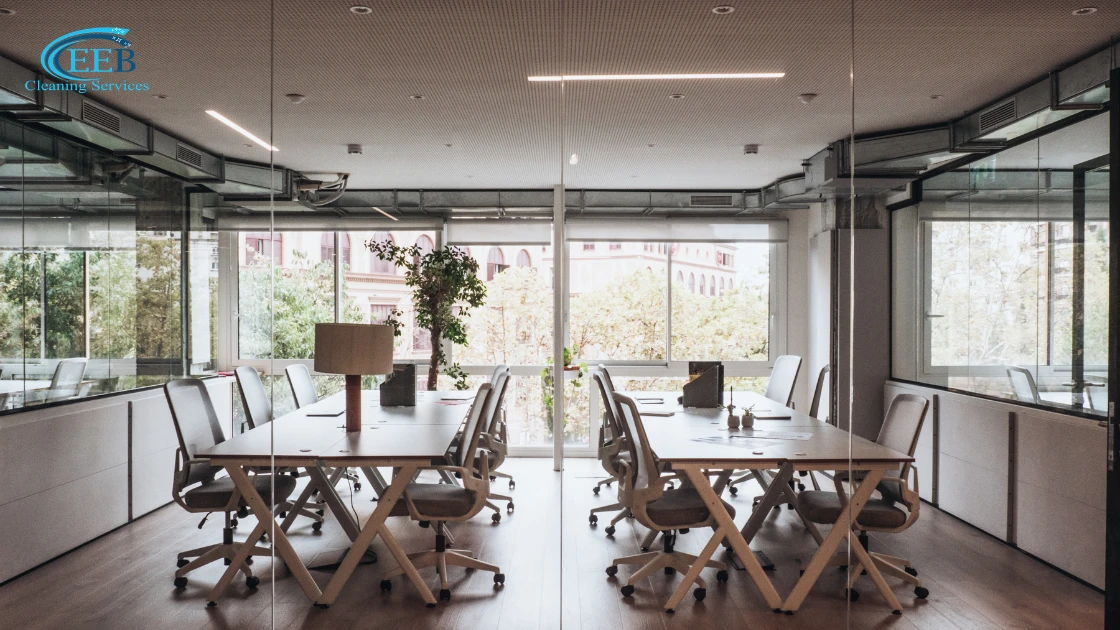
How to Keep Community Spaces Clean and Inviting for Everyone.
Think about the local parks, community centers, or shared campus spaces where people gather to learn, collaborate, and connect.
When you walk into a shared space that is bright, organized, and fresh, you instantly feel focused and ready to engage. But when a community hub or shared room is neglected with dusty tables, cluttered corners, and overflowing bins—the energy drops. It becomes harder to focus, and the space feels heavy instead of inspiring.
We often think that maintaining a shared facility requires heavy industrial equipment or expensive commercial contracts. But the truth is, keeping community spaces pristine comes down to simple, smart habits that anyone can help implement.
By using straightforward strategies, we can protect our shared environments, keep them safe for everyone, and make them spaces we are proud to spend time in.
Key Takeaways
-
Boosts collective focus: Clearing visual noise allows group members to think and collaborate clearly.
-
Protects public health: Regular upkeep of high-traffic areas keeps dust, germs, and allergens at bay.
-
Sets a standard of respect: An immaculate space naturally inspires everyone who uses it to keep it clean.
-
Saves your energy: Keeping your home cleaning streamlined gives you the stamina to support community efforts.
The Value of Clean Shared Spaces
When a community space is well-maintained, it does much more than just look good. It completely changes how people interact with the environment and each other.
First, it boosts productivity and connection. Whether it’s a shared workspace, a library, or an educational facility, clearing out the visual noise allows the brain to drop into a deep state of focus. People can brainstorm, learn, and collaborate without the constant distraction of a messy environment.
Second, it guards community well-being. High-traffic areas are prone to a rapid buildup of dust, allergens, and germs. Regular, intentional upkeep removes these microscopic hazards from the air and surfaces, preventing low-grade fatigue, morning congestion, and the spread of bugs among group members.
Finally, it creates a culture of respect. When a space is kept at a clean, high standard, people naturally treat it with more care. It sets a positive baseline that inspires everyone who walks through the door to keep the momentum going.
Neglected Shared Spaces vs. Welcoming Hubs
The environment we gather in directly impacts our focus and how we use the area:
| Feature | Neglected Shared Spaces | Welcoming Hubs |
| Indoor Air Quality | Dusty, stuffy, and full of tracked-in grit | Fresh, scent-neutral, and easy to breathe in |
| High-Touch Surfaces | Sticky counters, smudged glass, and dusty tables | Polished glass, wiped desks, and spotless handles |
| General Layout | Cluttered, confusing, and unorganized | Clear zones with designated spots for tools and bins |
| Visitor Reaction | Hesitant to stay, low focus, and hurried exits | Inspired to collaborate, highly focused, and relaxed |
Simple Habits to Keep Shared Areas Flawless
Maintaining a large or busy area doesn’t have to be complicated or expensive. By stripping away the marketing noise and focusing on basic, high-efficiency tools, a group can keep any shared space looking pristine:
-
Switch to High-Density Microfiber Cloths: Avoid wasting the budget on endless rolls of single-use paper towels or disposable dusting sheets that create tons of trash. High-density, split-fiber microfiber cloths act like a magnet for dust and dirt. Used slightly damp, they lock in particles instead of just scattering them into the air and you can simply wash and reuse them hundreds of times.
-
Use Scent-Neutral, Simple Cleaners: Avoid heavily fragranced commercial sprays that fill the air with harsh, synthetic perfumes. In a community space, strong scents can trigger headaches, allergies, and brain fog for sensitive individuals. Relying on simple, fragrance-free solutions or 70% isopropyl alcohol thoroughly sanitizes high-touch areas like desks, door handles, and shared electronics and evaporates cleanly without leaving a sticky residue.
-
Set Up a Clear "Zone" System: Instead of trying to clean the whole building at once, break the space down into small, manageable zones. Give every high-traffic area like the entrance, the main seating layout, or the supply shelves; a designated spot for tools and trash bins. When everything has a clear home, keeping the space organized becomes second nature for everyone.
-
Practice the Two-Minute Reset: Encourage everyone using the space to spend just 120 seconds resetting their immediate area before they leave. Returning chairs to their places, wiping down a desk, and clearing loose papers ensures that the next person steps into a fresh, welcoming launchpad.
Common Shared Space Cleaning Mistakes to Avoid
Even the most dedicated community groups can run into issues by falling into these daily traps:
-
Relying on heavily perfumed sprays: Heavy artificial scents don't equal clean. They mask odors temporarily while triggering respiratory irritation for many visitors.
-
Letting trash bins overflow: Waiting until the end of the week to empty shared waste bins invites pests and odors. Keep a quick daily schedule for emptying high-traffic trash cans.
-
Leaving floors for last: Letting dirt and grit pile up on the entryway floors means it will quickly get tracked into seating and meeting areas, making the whole room feel dirty.
Frequently Asked Questions
How can we get visitors to clean up after themselves?
The best way is to make cleaning effortless. Keep scent-neutral wipes easily accessible on desks and place trash and recycling bins clearly near the exits so tossing away waste is a natural step on the way out.
How do we handle dust buildup in large rooms?
Dust at least once a week using damp microfiber cloths rather than dry feather dusters, which simply kick the dust back into the breathing zone. Focus on high-level surfaces first, and then vacuum or damp-mop the floors.
What is the best way to sanitize shared electronics?
Never spray cleaners directly onto screens, keyboards, or remote controls. Spray a small amount of 70% isopropyl alcohol onto a microfiber cloth, gently wipe the surface, and let it air-dry.
Final Thoughts
A welcoming community space is a powerful tool for collaboration, learning, and growth. By focusing on simple, daily habits—like keeping high-touch areas wiped down, choosing scent-neutral solutions, and organizing the layout with clear zones—we can create an environment where everyone feels inspired to show up and do their best work. When we care for our shared spaces, we build a foundation for a stronger, more connected community.
Protecting Your Personal Baseline
If you are a driven professional balancing a demanding workload, career milestones, and personal goals, throwing your remaining physical stamina into heavy scrubbing can leave your internal battery at absolute zero. Your time and energy are highly valuable, finite resources. You shouldn't have to sacrifice your rare free hours playing endless catch-up with dust and chores at home just to have the freedom to show up for your neighborhood.
Because true growth is about working smart, not burning yourself out on repetitive maintenance. If keeping your own home running efficiently is stealing your focus and draining your energy, bringing in trusted expert backup is a smart strategic move.
Let us handle the comprehensive environmental defense and deep cleaning across your entire house. We excel at clearing away the physical and visual chaos inside your layout from front to back, using responsible, minimalist, and straightforward methods. We’ll take care of the deep cleaning at home, so you can step into a pristine personal sanctuary, protect your peace of mind, and have the fresh energy to lead, connect, and build a thriving community spirit.
Ready to simplify your home routine and free up your weekend energy?
Contact EEB Cleaning Services today for a free, customized home quote.
Bring that same welcoming standard home with professional residential cleaning services NYC

Discussion & Comments (0)
Leave a Comment
No comments yet
Be the first to share your thoughts or ask a question!