 Jessica
August 4, 2026
Jessica
August 4, 2026
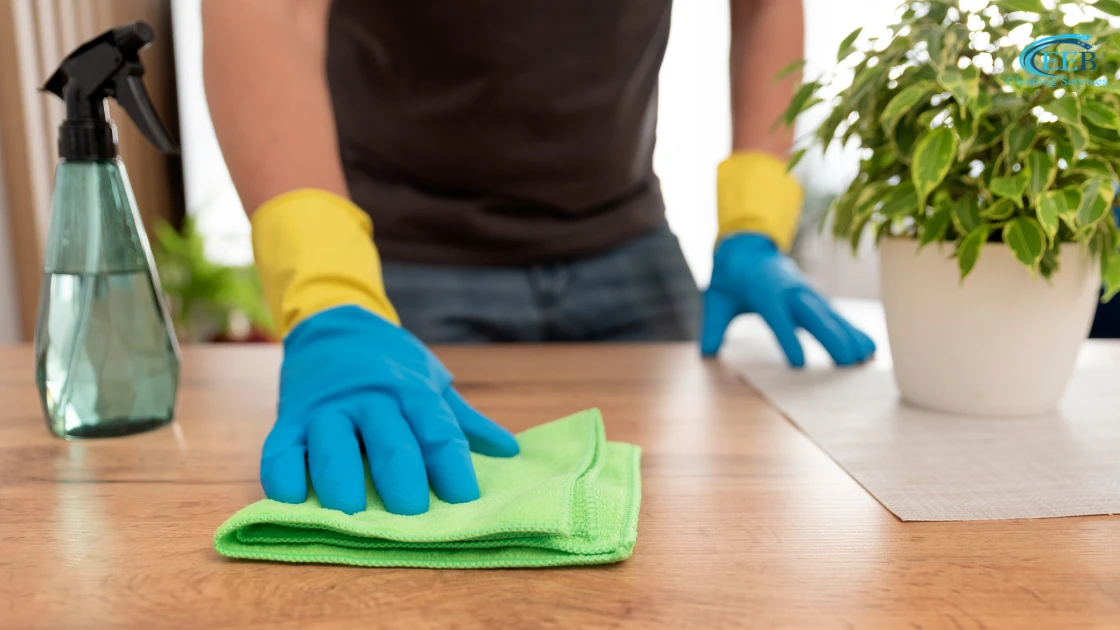
“How to Maintain a Clean Home with a Hectic Lifestyle”
When your schedule is packed with work deadlines, family commitments, and an endless stream of daily demands, house cleaning is usually the first thing to collapse.
The problem isn't a lack of effort; it's trying to maintain your space using traditional "marathon cleaning" methods that simply don't fit a demanding schedule. Spending your entire Saturday scrubbing floors and catching up on backed-up chores leaves you exhausted before the workweek even begins.
Maintaining a clean home with a hectic lifestyle requires moving away from perfectionism. By shifting from all-or-nothing cleaning weekends to strategic micro-habits, you can keep your living space calm, functional, and organized without sacrificing your limited free time.
Key Takeaways
-
Abandon Perfectionism: Aim for 80% clean and functional rather than a pristine showroom state.
-
Implement the One-Touch Rule: Deal with everyday items immediately to stop clutter hot spots before they grow.
-
Rely on 10-Minute Nightly Resets: A rapid evening scan keeps high-traffic areas orderly for the next morning.
-
Decentralize Your Supplies: Keep basic cleaning products directly where mess happens for frictionless touch-ups.
Core Strategies for a Low-Friction Home
1. The "One-Touch" Rule
Clutter accumulation is the primary driver of household mess. The "One-Touch" rule mandates that whenever you handle an item—mail, coats, dishware, or shoes—you place it directly in its final home rather than on a temporary surface. Dropping your coat on a chair or dishes on the counter doubles your physical effort later. Handling items once takes seconds and preserves visual order.
2. Point-of-Use Cleaning Kits
Carrying heavy caddies or running across the house to fetch cleaner creates friction that invites procrastination. Store a microfiber cloth, glass cleaner, and multi-surface spray directly under your bathroom sink or kitchen counter. When you see soap spots after brushing your teeth or sauce splatters after cooking, wiping them takes 10 seconds because the tools are right at your fingertips.
3. The 10-Minute Nightly Reset
Before heading to sleep, set a timer for 10 minutes to focus exclusively on your high-traffic zones—usually the kitchen counters, sink, and main living area. Run the dishwasher, clear off flat surfaces, and put stray items back in their places. Waking up to an orderly environment sets a clear, stress-free tone for the rest of your day.
4. Continuous "Clean as You Cook"
Waiting until after a meal to tackle a mountain of prep bowls, cutting boards, and greasy cookware makes kitchen maintenance daunting. Utilize small pockets of downtime; such as waiting for water to boil or food to simmer to wash utensils, wipe down prep counters, and load used items directly into the dishwasher. By the time dinner is served, your kitchen is already nearly clean.
Traditional vs. Hectic-Friendly Cleaning
| Maintenance Factor | Traditional Weekend Approach | Hectic-Friendly Micro-Habit Approach |
| Time Commitment | 4–6 consecutive hours on weekends | 10–15 minutes daily split across small intervals |
| Mental Strain | High dread & constant background guilt | Low cognitive load & predictable routine |
| Clutter Strategy | Mass sorting once chaos reaches a tipping point | Immediate "One-Touch" placement as items enter spaces |
| Focus Area | Exhaustive deep-cleaning of every single corner | High-impact, high-traffic zones (Kitchen, Baths, Living) |
How to Build an Effortless Routine in 4 Steps
1.Designate Homes for Clutter Hotspots:
Identify the surfaces where items naturally accumulate (entryway tables, kitchen counters, bedroom chairs). Assign dedicated hooks, bins, or drawers to eliminate visual clutter instantly.
2.Station Essential Supplies in Key Zones:
Place basic cleaning supplies inside every bathroom and key workspace so wiping down counters and mirrors requires zero preparation or extra walking.
3.Anchor Habits to Existing Routines:
Attach quick 2-minute cleaning habits to your current schedule; wipe the bathroom sink right after brushing your teeth, or unload the dishwasher while your morning coffee brews.
4.Establish a Hard Stop Nightly Reset:
Set a 10-minute timer each evening to reset your primary living space. When the timer sounds, stop cleaning regardless of what remains to prevent burnout.
Common Pitfalls to Avoid
-
The All-or-Nothing Trap: Postponing minor daily resets because you don't have time to deep-clean the entire room. A quick 3-minute surface wipe is always better than doing nothing.
-
Keeping Excess Belongings: The more items filling your counters and floors, the longer cleaning takes. Routinely declutter high-usage rooms to reduce physical upkeep.
-
Refusing to Delegate: If you live with family members or roommates, holding sole responsibility for household maintenance leads directly to resentment. Share routine tasks across the household.
Frequently Asked Questions
How can I keep up with heavy laundry piles when working long hours?
Avoid saving all laundry for one day. Running one small load daily or every two days; using your washing machine's delay-start feature so it finishes right when you wake up or return home; keeps laundry manageable and easy to fold in short increments.
What if my home is already too messy to start micro-habits?
Perform a quick "triage reset" first. Set aside 30 minutes strictly to gather trash and put away obvious items off floors and primary surfaces. Once the space is baseline functional, implement daily micro-habits to keep it that way.
Final Thoughts
Maintaining a clean, relaxing living space during a demanding season of life isn't about working harder—it's about building smarter systems. By lowering your standards for perfection and embracing short, highly focused micro-habits, you can protect your living space while keeping your schedule intact.
Protecting Your Personal Baseline
When your calendar is packed with professional duties, client deliverables, or executive responsibilities, keeping your home spotless shouldn't take up your precious personal bandwidth. Micro-habits handle daily surface maintenance, but true home care requires regular deep attention to keep living spaces feeling genuinely renewed.
When your routine demands your full focus, bringing in a reliable professional team ensures your home remains a sanctuary without claiming your weekend rest.

Leave a Comment