How to Write a Commercial Cleaning Scope of Work

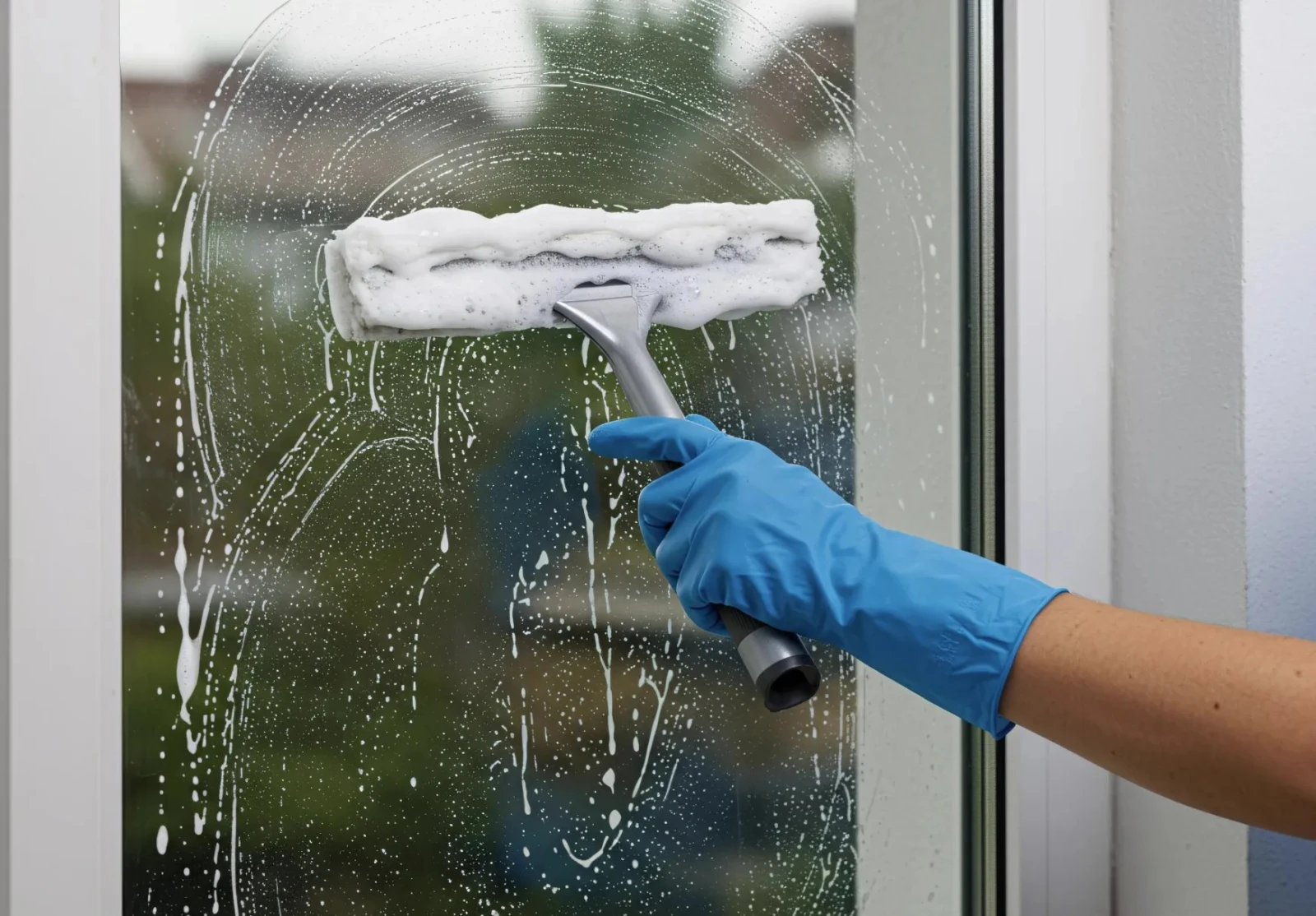
A commercial cleaning scope of work is the document that says exactly what gets cleaned, how often, when and by whom. Without one, cleaning drifts: tasks get skipped, nobody agrees on what was promised and every complaint turns into an argument. With a good one, cleaning stops coming up at all. This guide shows how to write a scope of work for an office, store, school, medical suite, church or warehouse in NYC or on Long Island.
Why a Scope of Work Matters
Cleaning usually comes up when something has gone wrong: a contractor who stopped showing up, a restroom a customer complained about, a lobby that does not look right before a big meeting. Most of those problems trace back to a vague agreement. A clear scope fixes that by putting the details in writing before the first visit.
A good scope does three things:
- It tells the crew what to do on every visit.
- It gives you something to check the work against.
- It makes quotes from different providers comparable.
Section 1: Describe the Facility
Start with the basics. A cleaning company cannot price or plan the work without them:
- ✓The type of facility, such as office, retail, restaurant, medical, school, warehouse or church.
- ✓The cleanable square footage.
- ✓The rooms and areas to clean.
- ✓The number of restrooms and fixtures.
- ✓Photos of the space.
- ✓Any cleaning requirements set by your building, franchise or inspector.
These are the same details EEB asks for, because each facility is scoped on its own. A dental suite, a warehouse and a church hall do not need the same visit.
Section 2: List the Routine Tasks
Write down what happens on every visit. For most commercial spaces, the core list includes:
- ✓Dusting
- ✓Vacuuming and mopping
- ✓Restroom and breakroom cleaning and sanitizing
- ✓Trash removal
- ✓High-touch points like door handles, switches and shared counters
Then go room by room and add anything specific: fitting rooms in a store, dining rooms after service in a restaurant, loading areas in a warehouse. Be specific. "Clean the restrooms" is weaker than "clean fixtures, partitions, mirrors, dispensers and floors."
Section 3: Separate the Add-Ons
Some jobs do not belong on every visit. Window and glass cleaning, carpet extraction, floor stripping and waxing, and deeper disinfection are typically separate add-ons, so you only pay for what the space needs. List each add-on with how often it should happen, such as quarterly floor care or monthly interior glass.
Section 4: Say What Is Excluded
Exclusions prevent disputes. For example, EEB does not clean individual desks or computers unless they are part of the agreed scope. If you want workstations cleaned, write it in. If you want them left alone, write that in too. In medical spaces, exclusions such as regulated waste and patient records should be stated clearly.
Section 5: Set the Frequency
State how often each task happens. Common options are daily, several times a week, weekly, every 2 weeks or every 4 weeks, or a one-time deep clean before an inspection, an opening or a move. Many scopes mix frequencies: restrooms daily, dusting weekly, floor care quarterly.
Section 6: Set the Hours
Write down when the crew can work. Daytime, after-hours and night schedules are all common. Daytime work can include day-porter-style support when the scope and schedule can be staffed. Scheduling outside standard hours can change the price, so it belongs in the scope from the start.
Section 7: Cover Access and Security
State who lets the crew in and how the building is secured. Include alarm procedures, key or code handling and any areas that are off-limits.
Section 8: Assign Supplies
Decide who provides what. Your facility can provide its own products and equipment, or EEB supplies professional-grade products, sanitizers and disinfectants. For larger facilities, a supply or equipment fee is added and shown in your price. If EEB supplies paper goods or liners, they can be added to your invoice. Either way, list the basics that should stay on site: broom and dustpan, mop and bucket, toilet brushes, trash liners, hand soap and paper towels.
Section 9: Define Quality Checks
Say how the work will be checked. At EEB, commercial accounts may receive quality-control checks or supervisor review, scheduled as EEB determines. Also state how problems are reported. If something needs attention, tell us and we will review it with you.
Section 10: Billing and Terms
Include how billing works and how the agreement ends. EEB billing runs on 4-week cycles. Contract length depends on your plan and agreement, and EEB's standard termination notice is 30 days in writing unless your signed agreement says otherwise.
How the Scope Affects Price
The price depends on the facility type, cleanable square footage, how often we clean, the hours we work, the number of restrooms and fixtures, supplies, and add-ons like floor care or windows. Standard private-sector offices can see a price online after sign-in. Every other facility gets a written quote after we review the details, and larger or complex spaces get a walkthrough. You can read more on our commercial cleaning services page.
A Simple Scope Template
Use this outline as a starting point:
- Facility details and contact person
- Areas included, room by room
- Routine tasks per visit
- Add-ons and their frequency
- Exclusions
- Schedule and hours
- Access and security
- Supplies
- Quality checks and reporting
- Billing and termination
Common Mistakes
- ✓Writing tasks too vaguely to check.
- ✓Forgetting to list exclusions.
- ✓Leaving hours open, then disputing after-hours pricing.
- ✓Not updating the scope when the space changes.
- ✓Copying another building's scope without walking your own space first.
- ✓Leaving out who to call when something is missed.
For a task-level list you can borrow from, see our janitorial checklist for office buildings.
Get Your Scope Reviewed
EEB works across Nassau County, the Town of Babylon and the rest of Suffolk County, and in New York City. Send us your facility details and photos through our commercial cleaning page, and your quote goes to your dashboard before anything is booked.

Discussion & Comments (0)
Leave a Comment
No comments yet
Be the first to share your thoughts or ask a question!