Commercial Cleaning Checklist for Long Island Businesses

Commercial cleaning on Long Island works best when everyone can see the same checklist. Owners know what they're paying for, managers know what to check, and the crew knows what "done" looks like. Without one, small things slip: a restroom dispenser left empty, a lobby that only gets attention when a client is visiting, a breakroom that slowly gets worse.
This checklist is built for Nassau and Suffolk businesses, from small offices and medical suites to shops, restaurants and warehouses. Use it to set up a new cleaning plan or to review the one you already have.
Start With How the Space Is Used
Before you write a single task, walk the building and ask a few questions. How many people come through each day? Which rooms see the most traffic? Are there areas customers never see? Do you have rules from a landlord, franchise or inspector?
The answers shape everything else. A quiet professional office and a retail floor on a Saturday don't need the same list.
Daily or Every-Visit Tasks
These are the tasks most commercial visits include, whatever the type of business:
- ✓Trash and recycling emptied, liners replaced
- ✓Restrooms cleaned and sanitized
- ✓Breakroom counters, tables and sinks cleaned
- ✓Floors vacuumed and mopped
- ✓Dusting of reachable surfaces
- ✓High-touch points wiped: door handles, switches and shared counters
Keep this part short and consistent. It's the foundation of the whole plan.
Area-by-Area Checklist
Entrances and Lobbies
The entrance is the first thing visitors see and the place that brings in the most dirt. Focus on floors, entry mats, door glass if it's in your scope, and the reception counter.
Restrooms
Toilets, urinals, sinks, mirrors, partitions and floors. Check that soap and paper are stocked. Restrooms are where complaints start, so they deserve the closest attention.
Breakrooms and Kitchenettes
Counters, tables, sinks and appliance fronts. Crumbs and spills here attract pests, so don't let this area slide.
Work Areas
Floors and reachable surfaces. Individual desks and computers are only cleaned when they're part of the agreed scope, so decide in advance whether you want them wiped or left alone.
Back-of-House, Loading and Storage
For warehouses and industrial spaces, floors, loading areas, offices and breakrooms are cleaned to the site's own safety rules. Make sure the crew knows those rules before the first visit.
Periodic Tasks to Schedule Separately
Some jobs don't need doing every visit. With EEB's commercial cleaning on Long Island, these are separate add-ons, so you only pay for what the space needs:
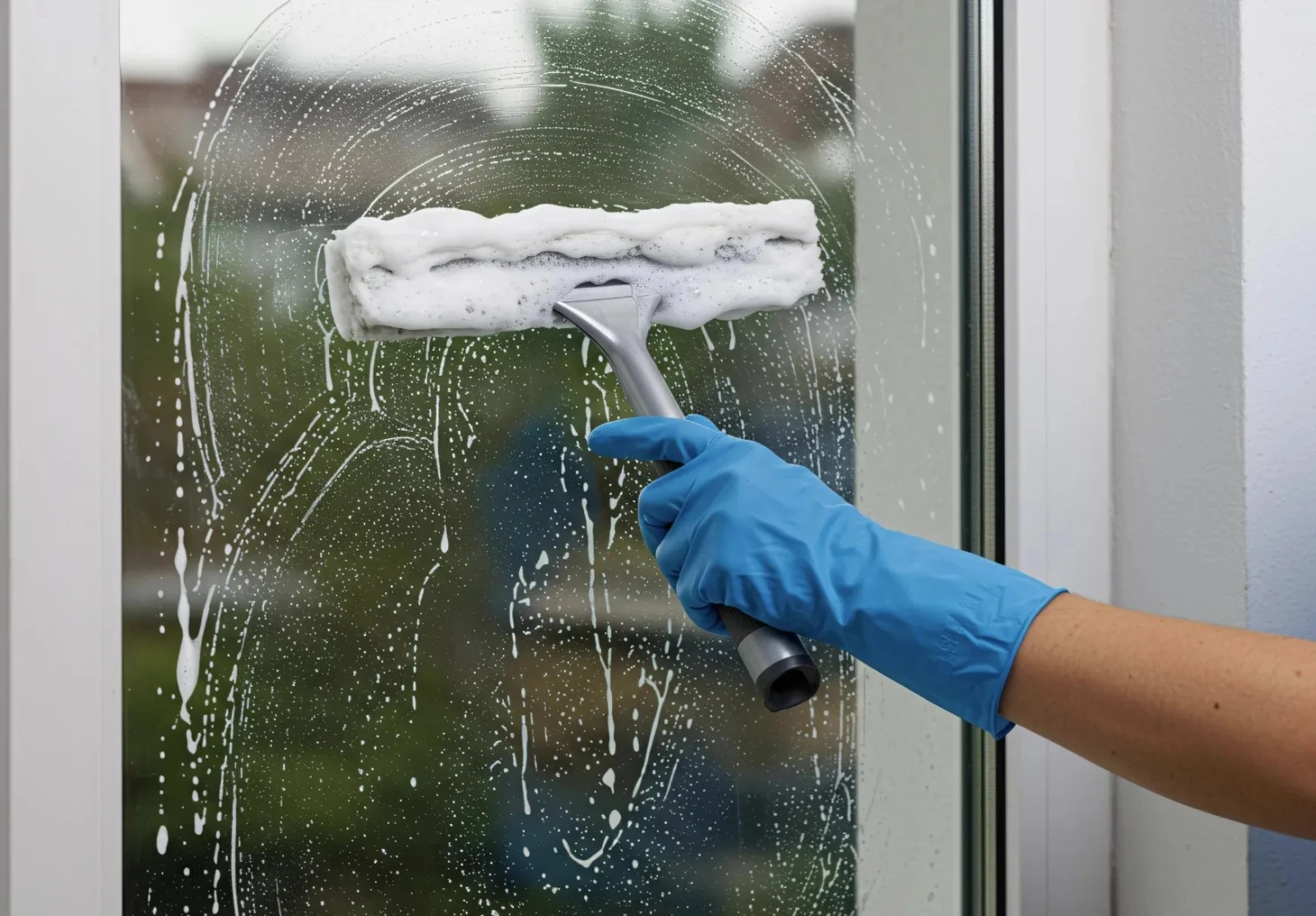
- Window and glass cleaning for storefronts and glass partitions.
- Carpet extraction for heavily used carpeted areas.
- Floor stripping and waxing for hard floors that have lost their finish.
- Deeper disinfection when you want more than routine sanitizing.
A one-time deep clean before an inspection, an opening or a move is a good time to combine these.
Seasonal Adjustments for Long Island Businesses
Long Island weather changes the checklist through the year. Winter brings salt, slush and wet floors at every entrance, so entry mats and floor care need more attention. Spring and fall bring pollen and leaves tracked indoors. Summer can mean more foot traffic for retail and hospitality, especially near the beaches. Review your list at the start of each season and move tasks up or down as needed, rather than waiting for complaints.
Picking a Frequency
Your checklist only works if the visits happen often enough. EEB offers daily service, several times a week, weekly, every 2 weeks or every 4 weeks. A rough guide:
- ✓Busy stores, restaurants and medical suites often need daily or several visits a week
- ✓Mid-size offices often do well with a few visits a week
- ✓Small offices with light traffic may only need weekly or every-2-week service
After-hours and night schedules are available, and day-porter-style support can be arranged when the scope and schedule can be staffed. Hours outside the standard window can change the price.
Supplies: Decide Who Brings What
Write down who supplies products and paper goods. Your facility can provide its own products and equipment, or EEB supplies professional-grade products, sanitizers and disinfectants, with a supply or equipment fee added for larger facilities. Keep a broom and dustpan, mop and bucket, toilet brushes, trash liners, hand soap and paper towels on site either way.
How to Check the Work
A checklist is only useful if someone looks at it. Pick one person to do a short walk-through once a week, ideally first thing in the morning. Look at restrooms, the entrance and the breakroom first. Note anything missed and raise it right away.
Commercial accounts with EEB may also get quality-control checks or supervisor review, scheduled as EEB determines. If something needs attention, tell the team and it'll be reviewed with you.
Where This Applies
EEB cleans businesses in Baldwin, Hempstead, Freeport, Rockville Centre, Valley Stream, Lynbrook, Oceanside, Elmont, Malverne, East Meadow, Levittown, Merrick, Bellmore, Wantagh and Seaford, and in West Babylon, North Babylon, Babylon, Deer Park and Lindenhurst. Commercial spaces elsewhere in Suffolk County and in New York City are covered too.
Turn the Checklist Into a Plan
Print this list, walk your building and mark what applies. Then decide on frequency and supplies. That's 90% of a good cleaning plan.
If you're unsure how often your office needs a visit, our guide on how often an office should be professionally cleaned can help. When your list is ready, send it with a few photos to get a commercial cleaning quote from EEB.
Discussion & Comments (0)
Leave a Comment
No comments yet
Be the first to share your thoughts or ask a question!