Office cleaning checklist: Healthcare facilities

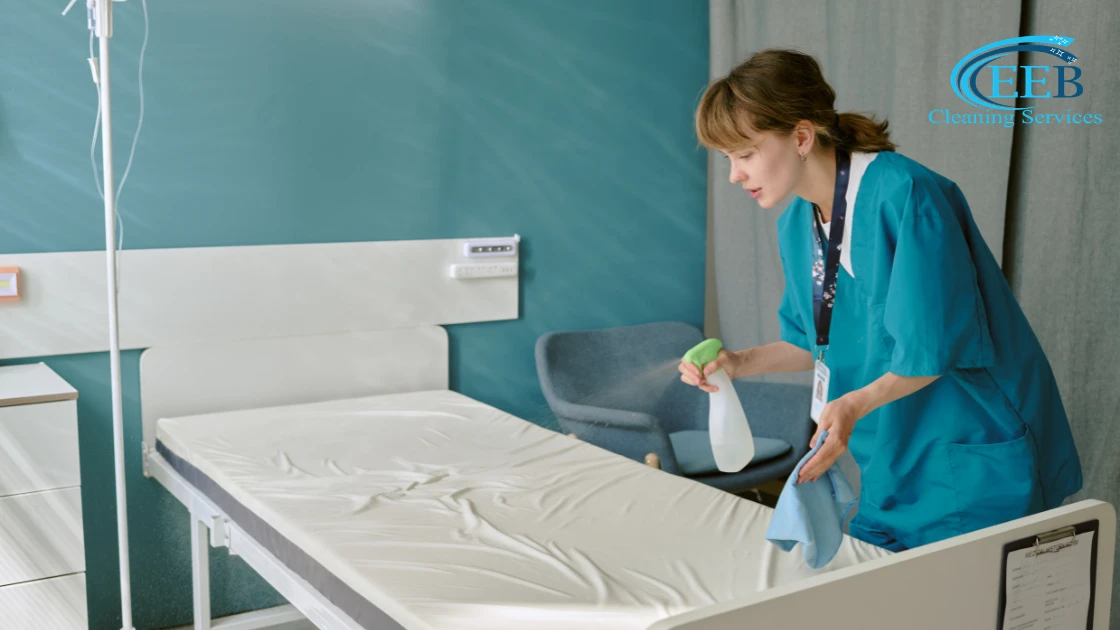
Healthcare facilities should follow a structured cleaning schedule that includes daily cleaning of high-touch surfaces, treatment rooms, waiting areas, restrooms, and common spaces, along with scheduled deep cleaning throughout the year.
The exact cleaning frequency depends on:
- Patient volume
- Type of healthcare facility
- Number of treatment rooms
- Daily staff activity
- Shared equipment
- High-touch surfaces
Healthcare Facility Cleaning Checklist: Best Practices for Medical Offices in New York
Cleanliness is one of the most important parts of running any healthcare facility.
Patients expect a clean environment. Healthcare professionals rely on properly maintained spaces to perform their work safely, and medical facilities must work hard to reduce the risk of cross-contamination and maintain a hygienic environment.
Unlike standard office buildings, healthcare facilities require a more structured cleaning approach because high-touch surfaces, treatment rooms, waiting areas, and shared spaces are used throughout the day.
Whether you manage a medical office, dental clinic, urgent care center, specialty practice, or outpatient facility in New York, following a consistent cleaning checklist helps create a safer and more welcoming environment for everyone.
In this guide, we'll cover the essential daily, weekly, and monthly healthcare cleaning tasks along with practical best practices that can help medical offices maintain consistently high cleaning standards.
Key Takeaways
- Healthcare facilities require more frequent cleaning than standard offices.
- High-touch surfaces should be cleaned and disinfected regularly.
- Waiting rooms, treatment rooms, and restrooms should receive daily attention.
- Scheduled deep cleaning helps maintain a cleaner and more professional healthcare environment.
- A customized cleaning plan supports both staff and patient confidence.
Why Healthcare Cleaning Is Different
Cleaning a healthcare facility isn't the same as cleaning a traditional office.
Medical environments have unique requirements because multiple patients, visitors, and healthcare professionals use the same spaces throughout the day.
These facilities often include:
- Examination rooms
- Waiting areas
- Reception desks
- Medical offices
- Hallways
- Staff breakrooms
- Public restrooms
Each area experiences different levels of daily use and requires an appropriate cleaning routine.
A consistent cleaning schedule helps maintain a cleaner environment while supporting the day-to-day operations of the facility.
Which Healthcare Facilities Need Professional Cleaning?
Professional healthcare cleaning benefits many types of medical facilities, including:
- Medical offices
- Dental clinics
- Family practices
- Specialist clinics
- Outpatient centers
- Physical therapy clinics
- Urgent care centers
- Diagnostic imaging centers
- Medical laboratories
- Wellness clinics
Each facility has unique cleaning needs, but all benefit from a structured cleaning program.
High-Touch Areas That Need Extra Attention
Some surfaces are touched hundreds of times every day.
These areas should be cleaned and disinfected frequently as part of a regular maintenance routine.
Examples include:
- Door handles
- Reception counters
- Waiting room chairs
- Light switches
- Elevator buttons
- Handrails
- Check-in counters
- Payment terminals
- Shared workstations
- Restroom fixtures
Keeping these areas consistently clean helps create a healthier experience for both patients and staff.
Why a Cleaning Checklist Matters
A written checklist helps ensure that important cleaning tasks aren't overlooked.
It also helps create consistency across the entire facility.
Benefits include:
- More organized cleaning routines
- Better accountability
- Cleaner patient areas
- Improved workplace appearance
- More consistent service quality
Rather than guessing what should be cleaned, staff can follow a clear and structured process every day.
Common Cleaning Challenges in Medical Offices
Healthcare facilities often face challenges that standard offices do not.
These may include:
- Constant patient traffic
- Shared examination rooms
- Frequently touched equipment
- Busy reception areas
- Limited cleaning time between appointments
- Increased demand during cold and flu season
A customized professional cleaning schedule helps address these challenges while minimizing disruption to daily operations.
Building an Effective Cleaning Routine
The most effective healthcare cleaning programs combine routine daily cleaning with scheduled deep cleaning throughout the year.
This layered approach helps maintain consistently clean facilities while preventing dirt, dust, and buildup from accumulating in less frequently cleaned areas.
In the next section, we'll break down exactly what should be cleaned every day, every week, and every month.
Daily Healthcare Facility Cleaning Checklist
Daily cleaning forms the foundation of every healthcare cleaning program.
Areas that receive the most patient and staff traffic should be cleaned and disinfected consistently throughout the day.
A structured checklist helps ensure nothing important is overlooked.
Reception & Front Desk
The reception area creates the first impression for every patient.
It should remain clean, organized, and welcoming throughout the day.
Daily Tasks
- Wipe reception counters
- Clean check-in desks
- Disinfect payment terminals
- Clean phones and keyboards
- Dust furniture
- Empty trash bins
- Vacuum entrance mats
- Clean glass entrance doors
- Sanitize frequently touched surfaces
Waiting Room Cleaning Checklist
Waiting rooms often experience constant foot traffic.
Keeping these spaces clean helps improve the overall patient experience.
Daily Tasks
- Vacuum carpets
- Mop hard floors
- Wipe chairs and armrests
- Sanitize coffee tables
- Clean children's play areas (if applicable)
- Empty trash bins
- Dust shelves and décor
- Clean glass surfaces
- Disinfect high-touch areas
Examination Room Cleaning Checklist
Treatment rooms require careful attention between patient visits and at the end of each day.
Daily Tasks
- Clean examination tables
- Disinfect countertops
- Wipe cabinets
- Sanitize chairs
- Clean sinks
- Empty medical waste (following facility procedures)
- Mop floors
- Replace disposable supplies where required
- Clean door handles and switches
A consistently maintained treatment room helps create a cleaner and more professional environment for both patients and healthcare staff.
Staff Offices & Administrative Areas
Administrative offices also require regular cleaning.
Daily tasks include:
- Empty trash bins
- Dust desks
- Vacuum floors
- Clean shared workstations
- Wipe keyboards and telephones
- Sanitize meeting tables
- Clean office entrances
Restroom Cleaning Checklist
Healthcare restrooms should be cleaned thoroughly every day.
Daily Tasks
- Clean toilets
- Sanitize sinks
- Clean mirrors
- Refill soap dispensers
- Refill paper towels
- Replace toilet paper
- Mop floors
- Empty trash bins
- Disinfect door handles
- Sanitize high-touch fixtures
Clean restrooms help improve patient confidence while maintaining a professional appearance throughout the facility.
Breakroom & Kitchen Cleaning
Healthcare employees rely on clean staff areas throughout the workday.
Daily cleaning should include:
- Wipe countertops
- Sanitize tables
- Clean sinks
- Empty trash bins
- Sweep floors
- Mop floors
- Clean appliance exteriors
- Wipe cabinet handles
Hallways & Common Areas
Hallways connect every part of the facility and should never be overlooked.
Daily tasks include:
- Vacuum carpeting
- Mop hard floors
- Dust baseboards
- Clean handrails
- Wipe door frames
- Remove fingerprints from glass
- Empty hallway trash bins
High-Touch Surface Checklist
These surfaces should receive extra attention because they are touched frequently throughout the day.
Examples include:
- Door handles
- Light switches
- Reception counters
- Check-in kiosks
- Payment devices
- Handrails
- Elevator buttons
- Waiting room chairs
- Shared desks
- Cabinet handles
- Telephones
- Computer keyboards
Regular cleaning of these surfaces helps support a cleaner healthcare environment.
Weekly Healthcare Cleaning Checklist
Some cleaning tasks don't need to be completed every day but should still be scheduled weekly.
These include:
- Dust air vents
- Clean interior windows
- Vacuum upholstered furniture
- Wipe wall surfaces
- Clean storage rooms
- Sanitize staff lockers
- Dust shelves
- Clean office partitions
- Detailed waiting room cleaning
Weekly maintenance helps prevent dirt and dust from building up in areas that receive less daily attention.
Monthly Healthcare Cleaning Tasks
Monthly cleaning focuses on areas that are often missed during routine maintenance.
Examples include:
- High dusting
- Interior window detailing
- Deep floor cleaning
- Cabinet cleaning
- Air vent cleaning
- Light fixture cleaning
- Appliance deep cleaning
- Baseboard cleaning
- Wall spot cleaning
Scheduling these tasks monthly helps maintain a cleaner and more professional healthcare facility.
Quarterly Deep Cleaning
Routine cleaning alone isn't enough for many healthcare environments.
Quarterly deep cleaning provides additional attention to areas that require more intensive cleaning.
This may include:
- Carpet extraction
- Tile and grout cleaning
- Floor stripping and refinishing (where applicable)
- Upholstery cleaning
- High ceiling dust removal
- Detailed interior window cleaning
- Complete facility deep cleaning
Deep cleaning complements routine maintenance and helps keep healthcare facilities looking their best throughout the year.
Medical offices that need periodic whole-room disinfection can also arrange our fogging service New York
Recommended Cleaning Schedule
|
Area |
Recommended Frequency |
|
Reception Area |
Daily |
|
Waiting Room |
Daily |
|
Examination Rooms |
Daily |
|
Staff Offices |
Daily |
|
Restrooms |
Daily |
|
Breakroom |
Daily |
|
Hallways |
Daily |
|
Interior Glass |
Weekly |
|
Upholstered Furniture |
Weekly |
|
Air Vents |
Monthly |
|
Interior Windows |
Monthly |
|
High Dusting |
Monthly |
|
Carpet Deep Cleaning |
Quarterly |
|
Floor Restoration |
Quarterly (as needed) |
Professional Healthcare Cleaning Services in New York
Every healthcare facility operates differently.
Some clinics require daily maintenance, while larger medical facilities benefit from customized cleaning schedules that include routine maintenance and scheduled deep cleaning.
At EEB Cleaning Services NY Inc., we provide professional healthcare cleaning solutions tailored to the needs of medical offices, dental practices, outpatient clinics, and healthcare facilities throughout New York.
Learn more about our services:
Healthcare Facility Cleaning Services
https://eebcleaningservices.com/healthcare-facilities-cleaning-services
Commercial Cleaning Services
https://eebcleaningservices.com/commercial-cleaning-services
Office Cleaning Services
https://eebcleaningservices.com/office-cleaning-services-new-york
Healthcare Cleaning Best Practices
Having a checklist is important, but following the right cleaning practices is just as essential.
Medical offices serve patients every day, so consistency, attention to detail, and routine maintenance all play an important role in creating a clean and welcoming environment.
Here are some best practices every healthcare facility should follow.
- Follow a Consistent Cleaning Schedule
One of the biggest mistakes healthcare facilities make is cleaning only when an area appears dirty.
Instead, create a structured schedule that includes:
- Daily cleaning
- Weekly maintenance
- Monthly detailed cleaning
- Quarterly deep cleaning
A consistent routine helps maintain a cleaner facility year-round.
- Prioritize High-Touch Areas
Some surfaces are touched hundreds of times every day.
These should receive extra attention throughout the day.
Examples include:
- Door handles
- Reception counters
- Payment terminals
- Waiting room chairs
- Light switches
- Handrails
- Elevator buttons
- Shared workstations
Keeping these areas clean helps create a healthier environment for staff and visitors.
- Keep Waiting Areas Presentable
The waiting room is often the first area patients see.
A clean waiting area helps create a positive first impression and shows that your facility values cleanliness and professionalism.
Focus on:
- Clean seating
- Dust-free furniture
- Fresh-smelling environment
- Clean floors
- Organized reception desk
- Don't Overlook Staff Areas
Breakrooms, offices, storage rooms, and employee workstations also require regular cleaning.
A clean staff environment supports productivity and creates a more comfortable workplace for healthcare professionals.
- Schedule Routine Deep Cleaning
Routine maintenance is important, but deep cleaning helps address areas that aren't part of daily cleaning.
Professional deep cleaning may include:
- Carpet cleaning
- Upholstery cleaning
- Floor restoration
- Interior window cleaning
- High dusting
- Detailed floor care
Scheduling these services throughout the year helps maintain the appearance and cleanliness of your facility.
Common Healthcare Cleaning Mistakes
Even well-managed facilities can overlook important cleaning tasks.
Here are some of the most common mistakes.
-
Waiting Until Problems Appear
Cleaning should be preventative, not reactive.
- Skipping Less Visible Areas
Storage rooms, corners, vents, and high shelves can collect dust if they're ignored.
-
Inconsistent Cleaning Schedules
Changing cleaning routines too often can result in missed tasks and inconsistent quality.
-
Ignoring Floors
Floors receive constant foot traffic and should be cleaned regularly to maintain a professional appearance.
- Delaying Deep Cleaning
Routine cleaning alone cannot remove every type of dirt and buildup.
Periodic deep cleaning helps keep facilities looking their best.
Why Professional Healthcare Cleaning Matters
Healthcare environments require attention to detail.
Professional cleaning services help medical offices maintain clean, organized, and welcoming spaces for patients, visitors, and healthcare professionals.
Benefits include:
- Cleaner patient experience
- Better workplace appearance
- Consistent maintenance
- Customized cleaning schedules
- Reliable service from trained professionals
Whether you manage a small medical office or a larger healthcare facility, professional cleaning helps support your daily operations.
Serving Healthcare Facilities Across New York
EEB Cleaning Services NY Inc. proudly provides healthcare cleaning services throughout:
- New York City
- Manhattan
- Brooklyn
- Queens
- Bronx
- Staten Island
- Long Island
- Nassau County
- Suffolk County
- Westchester County
Our customized cleaning programs are designed to meet the needs of healthcare providers while minimizing disruption to daily operations.
Frequently Asked Questions
How often should a healthcare facility be professionally cleaned?
Most healthcare facilities require daily cleaning, while deep cleaning should be scheduled regularly based on the size of the facility, patient volume, and operational needs.
What areas should be cleaned every day?
Reception areas, waiting rooms, treatment rooms, restrooms, staff areas, entrances, and high-touch surfaces should all be included in the daily cleaning routine.
Why are high-touch surfaces so important?
These surfaces are used frequently throughout the day and should receive regular cleaning as part of a structured maintenance plan.
What is included in healthcare facility cleaning?
Healthcare cleaning typically includes waiting areas, treatment rooms, offices, restrooms, floors, common areas, breakrooms, and other patient-facing spaces.
How often should carpets be professionally cleaned?
Many healthcare facilities schedule professional carpet cleaning every six to twelve months, depending on traffic levels and facility requirements.
Is healthcare cleaning different from office cleaning?
Yes. Healthcare facilities generally require more frequent cleaning and additional attention to treatment areas, waiting rooms, and high-touch surfaces.
Can cleaning schedules be customized?
Absolutely. Professional cleaning companies can create customized schedules based on your facility's size, services, operating hours, and cleaning priorities.
What types of healthcare facilities benefit from professional cleaning?
Medical offices, dental clinics, urgent care centers, outpatient facilities, wellness clinics, specialty practices, diagnostic centers, and many other healthcare environments benefit from professional cleaning.
How can professional cleaning improve the patient experience?
A clean and organized facility helps patients feel more comfortable and confident while creating a welcoming environment from the moment they arrive.
How do I choose the right healthcare cleaning company?
Look for a provider with healthcare cleaning experience, flexible scheduling, trained staff, reliable communication, and customized cleaning solutions tailored to your facility.
Final Thoughts
Healthcare facilities require more than basic office cleaning.
A structured cleaning checklist, consistent maintenance schedule, and periodic deep cleaning all work together to create a cleaner, healthier, and more professional environment.
Whether you operate a medical office, dental clinic, urgent care center, or specialty practice, investing in professional healthcare cleaning helps maintain patient confidence while supporting the day-to-day needs of your facility.
Request a Free Healthcare Cleaning Quote
Looking for reliable healthcare facility cleaning services in New York?
EEB Cleaning Services NY Inc. provides customized cleaning solutions for medical offices, clinics, healthcare facilities, and professional practices throughout New York.
Our experienced team works around your schedule to help keep your facility clean, organized, and welcoming.
Explore Our Services
Healthcare Facility Cleaning Services
https://eebcleaningservices.com/healthcare-facilities-cleaning-services
Commercial Cleaning Services
https://eebcleaningservices.com/commercial-cleaning-services
Office Cleaning Services
https://eebcleaningservices.com/office-cleaning-services-new-york
Residential Cleaning Services
https://eebcleaningservices.com/residential-cleaning-services
Contact Us
https://eebcleaningservices.com/contact-us
Related Articles
How Much Does Commercial Cleaning Cost in NYC? (2026 Pricing Guide)
Commercial Cleaning vs Janitorial Services: What's the Difference?
How Often Should an Office Be Professionally Cleaned?
These guides can help you better understand professional cleaning services and choose the right solution for your business or healthcare facility.

Discussion & Comments (0)
Leave a Comment
No comments yet
Be the first to share your thoughts or ask a question!