Why a Clean Home Matters in the Age of Smart Devices

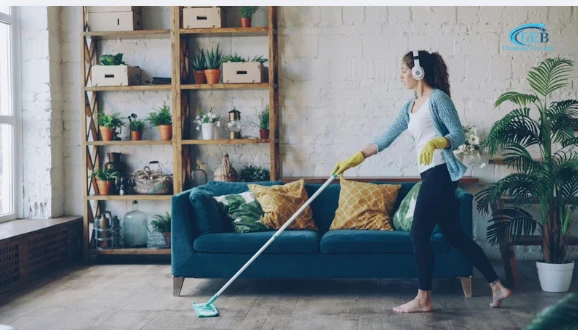
Before a house-cleaning visit, agree which ordinary surfaces are reachable without touching smart devices, which equipment must stay untouched and which areas will be skipped. If access depends on moving or isolating equipment, the owner should arrange the appropriate authorized action separately rather than leaving the cleaner to guess.
This is an owner–cleaner access and handoff plan. Its output is a clear set of boundaries for the visit, not a device-cleaning routine, maintenance checklist or troubleshooting guide.
Identify the no-touch equipment before the visit
Walk through the rooms included in the requested cleaning scope. Point out devices, their connected leads and any arrangement that must remain in place. Name the equipment in ordinary language so someone unfamiliar with the home can identify it: for example, “the hub on the hallway shelf” rather than an unexplained model code.
Explain whether nearby personal belongings also need to remain untouched. Do not assume a cleaner will know that an object is part of a connected setup or that a cable must not be moved. A short written list can accompany the conversation, but it does not expand the booked service or authorize equipment handling.
List ordinary surfaces that are independently reachable
Describe the household surfaces you want cleaned without requiring equipment movement. An example is the clear section of a shelf beside a hub, not the space underneath the hub. Another is an accessible section of floor that does not require reaching across equipment or shifting its leads.
Separate a requested result from permission to move something. “Clean the whole shelf” can leave that distinction unclear. “Clean the empty left section; leave the hub and the area beneath it untouched” gives a more usable boundary. Confirm that the requested work fits the agreed service scope.
Keep isolation and relocation with the responsible owner
Device care and relocation follow the exact manufacturer's instructions; leave unclear or inaccessible areas untouched. The owner is responsible for arranging any authorized isolation, relocation or specialist action needed to make an area accessible. If the owner cannot establish who may do that work, the area stays outside the cleaning access plan.
Do not treat a cleaning booking as permission for a cleaner to disconnect, dismantle, reposition or restore equipment. Discuss any access dependency before the visit rather than asking someone unfamiliar with the setup to resolve it on arrival. This planning advice does not assert that EEB offers electronics handling or authorizes relocation.
Write the handoff as a short access record
Use one entry for each equipment area. The following example records a decision; it is not a technical procedure or a completed inspection.
| Access item | Example agreement |
|---|---|
| Equipment and location | Hub on the hallway shelf and its connected leads. |
| No-touch boundary | Leave the equipment and leads in their existing positions. |
| Reachable ordinary surface | The empty left section of the shelf only, if independently accessible. |
| Area to skip | The shelf underneath and immediately behind the equipment. |
| Access dependency | If wider access is wanted, the owner arranges authorized relocation separately before confirming that area. |
| Restoration responsibility | The owner identifies the authorized person responsible for restoring the setup before use; the cleaner is not assumed to do it. |
For your own record, add who will answer questions during the visit and how to reach them through the agreed booking contact method. If nobody is available to clarify a boundary, leave the uncertain area untouched rather than treating silence as consent.
Record skipped areas without calling them completed
At the end of the visit, compare the accessible surfaces with the agreed list. Record a skipped area plainly: “Under the hallway hub: not accessed because equipment remained in place.” Do not describe that area as cleaned simply because the surrounding shelf was included.
If the owner wants a skipped area addressed later, agree a new access arrangement and confirm the requested scope. Do not promise that relocation or an additional cleaning visit is included. If equipment was moved through a separately authorized arrangement, its restoration remains with the responsible person identified by the owner before use.
Keep the service request separate from device upkeep
Review EEB's house cleaning on Long Island page for household cleaning options. When discussing house cleaning services NYC, describe the ordinary surfaces you want included and the equipment boundaries that affect access. Confirm the scope rather than assuming equipment care is part of the service.
The existing cleaning-progress and device-upkeep guide covers the separate tracking and upkeep subject. This access plan does not reproduce that material or validate generic device-care instructions; the exact manufacturer's directions remain the boundary for equipment handling.
A useful handoff ends with five clear decisions: what stays untouched, what is reachable, who arranges authorized access, what is skipped and who restores any separately moved equipment. Keep those decisions explicit before the cleaning starts.

Discussion & Comments (0)
Leave a Comment
No comments yet
Be the first to share your thoughts or ask a question!