Cleaning vs Sanitizing vs Disinfecting: What Is the Difference?

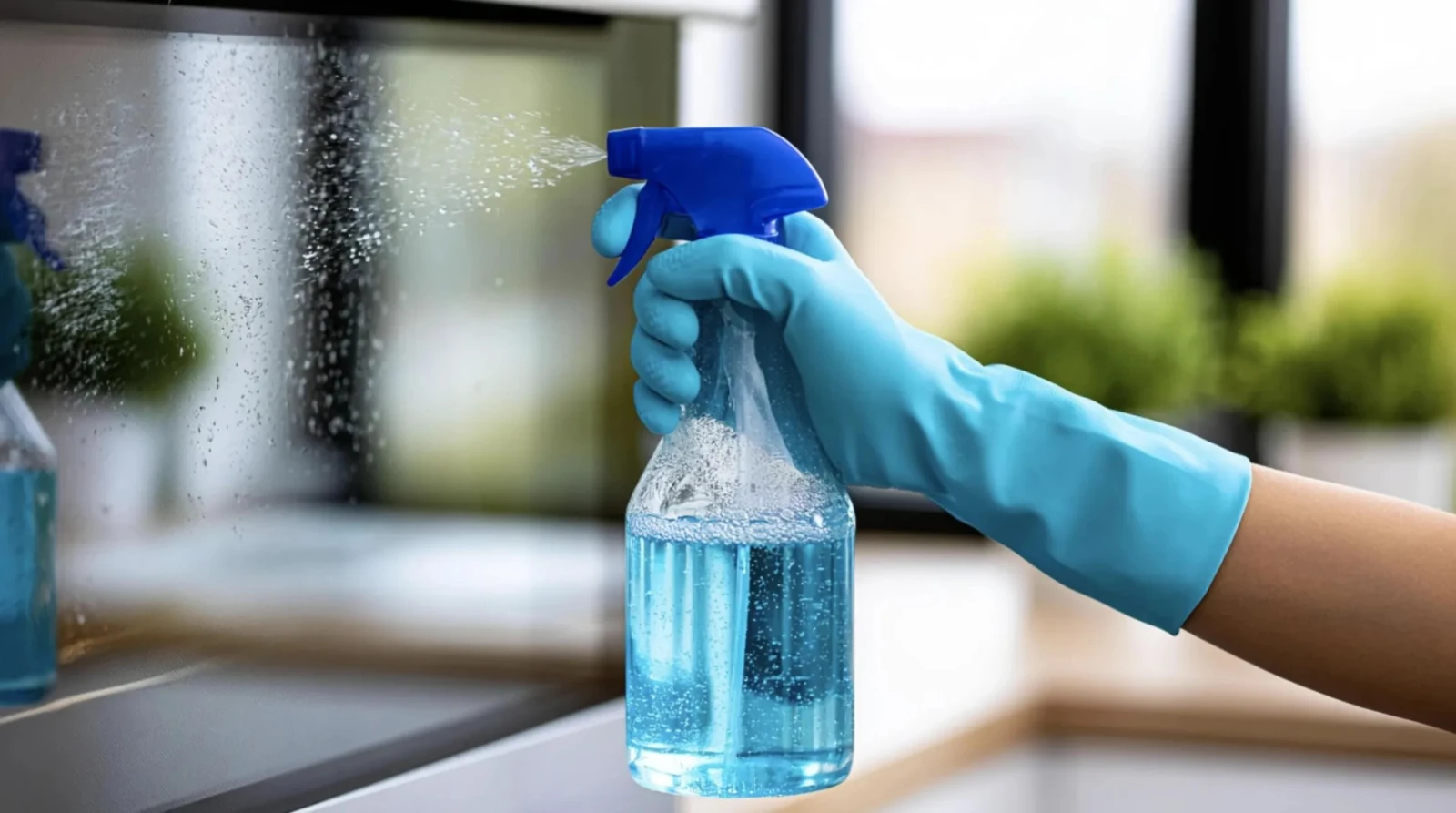
Cleaning vs sanitizing vs disinfecting: the three words get used as if they mean the same thing, but they don't. Mixing them up can mean paying for a service you didn't need, or skipping a step that actually matters. If you manage an office, a restaurant kitchen, a school or a home where someone has been sick, it's worth knowing the difference.
Here's what each one means, when you need it, and why the order matters.
Cleaning: Removing Dirt and Residue
Cleaning removes dirt, dust, grime and residue from a surface. It's what makes a space look clean. Wiping a counter, mopping a floor and scrubbing a sink are all cleaning.
Cleaning on its own is the foundation for everything else. It's also what most routine visits are built around.
Sanitizing: Reducing Germs on Surfaces
Sanitizing is a separate step that uses products designed to reduce germs on a surface. It's commonly used on surfaces that people share or that touch food, such as breakroom counters, restroom fixtures and food-prep tables.
Disinfecting: A Stronger Treatment
Disinfecting uses different products and contact times from sanitizing. It's typically used where a higher level of treatment is wanted, such as high-touch surfaces in busy spaces, healthcare settings, or after someone has been sick.
Why Cleaning Always Comes First
This is the part most people miss. Sanitizing and disinfecting products only work as directed on a clean surface. If dirt and residue are still there, the product can't do its job properly. That's why a proper service always cleans first, then sanitizes or disinfects.
Contact Time: The Step That Gets Skipped
Every sanitizing or disinfecting product has a label that says how long it needs to stay on the surface to work. That's called contact time. Spraying a surface and immediately wiping it dry often means the product hasn't had time to work. A professional service matches products to the surface and leaves them on for the time their labels require.
A Realistic Expectation
Cleaning, sanitizing and disinfecting reduce germs on surfaces. None of them can make a space germ-free, and none can guarantee that illness won't spread. Be cautious of any company that promises otherwise.
Which One Do You Need?
- Routine upkeep of an office or home: cleaning, with sanitizing of restrooms and kitchens
- Shared high-touch surfaces like door handles, switches, railings and elevator buttons: cleaning plus high-touch sanitizing
- Food-service kitchens: cleaning plus sanitizing of counters, sinks and food-prep surfaces, after close
- Medical offices: cleaning plus disinfection within the practice's approved scope
- After someone has been sick: cleaning plus deeper disinfection of the affected areas
Where High-Touch Surfaces Hide
In most buildings, the surfaces people share are easy to overlook:
- ✓Door handles and push plates
- ✓Light switches
- ✓Railings and elevator buttons
- ✓Shared counters and equipment
- ✓Restroom fixtures, partitions and handles
- ✓Breakroom appliance handles
These are the first places to focus sanitizing efforts. For offices, our office cleaning checklist shows how they fit into a regular routine.
What About Fogging and Decontamination?
For large spaces like gyms and warehouses, or for deeper disinfection after illness, methods such as fogging, misting or decontamination may be used. These usually start with an on-site inspection so the method suits the space.
If you need electrostatic spraying or another specialty application, ask in advance so the right equipment can be confirmed.
Re-Entry After Treatment
When can people go back in? It depends on the product, how it was applied, ventilation and drying. A good provider gives you re-entry instructions for your specific service.
A Note on the Word "Sanitation"
Some people use "sanitation" to mean trash collection. Surface sanitizing is different. If you need junk hauled away, that's a separate service.
Quick Reference by Setting
Offices
Routine cleaning, with sanitizing of restrooms and breakrooms and attention to high-touch areas at every visit. Deeper disinfection can be added when needed.
Restaurant and Café Kitchens
Cleaning plus sanitizing of counters, sinks and food-prep surfaces. Food businesses work under health-code inspections, so kitchen sanitizing is often scheduled after closing, ready for the next shift.
Schools and Gyms
Shared equipment, railings and restrooms see heavy use. High-touch sanitizing alongside regular cleaning is common, with fogging considered for large spaces.
Homes
Regular cleaning covers most needs. Sanitizing of door knobs and light switches can be added, and deeper disinfection can be arranged after someone has been sick.
Common Mistakes
- Spraying disinfectant on a dirty surface and expecting it to work
- Wiping products off before their contact time
- Using one product for every surface
- Treating the whole building when only high-touch areas need it
Sanitizing and Disinfection With EEB
EEB provides sanitizing and disinfection services on Long Island and in NYC. We clean first, then treat with products chosen for the surface, applied the way their labels direct. Services include high-touch sanitizing, restroom and kitchen sanitizing, fogging for large spaces after an on-site inspection, and decontamination after someone has been sick.
High-touch sanitizing is priced by the square footage actually treated, not the whole building, and can be priced online after signing in. Restrooms, kitchens and breakrooms are quoted after review, and fogging and decontamination are priced after an on-site inspection. For homes, sanitizing can be added to a residential cleaning at the add-ons step.
We work with offices, schools, gyms, stores, churches, restaurants and cafés, medical offices and homes across Nassau County, the Town of Babylon, the rest of Suffolk County and New York City. See EEB's sanitizing and disinfection options, or call or WhatsApp (718) 930-2894 to arrange an inspection.
Discussion & Comments (0)
Leave a Comment
No comments yet
Be the first to share your thoughts or ask a question!