How Often Should a Medical Office Be Cleaned?

How often should a medical office be cleaned? It's one of the first questions practice managers ask, and the honest answer is: more often than most offices, because patients, staff and visitors share the same rooms all day. But "more often" doesn't mean the same schedule for every practice. A busy urgent care center and a two-room specialist practice need very different plans.
This guide breaks down how to set a cleaning frequency that fits your practice, area by area.
The Short Answer
Most medical offices need cleaning on every day they see patients. Smaller practices can often manage with three visits a week. Restrooms and the waiting room get the most use, so they should be cleaned at every visit. A deeper clean of floors, vents and hard-to-reach areas once a month is usually enough.
That's the baseline. The rest of this guide is about adjusting it for your space.
What Drives Cleaning Frequency
Several things push your schedule up or down:
- Patient volume. More patients mean more use of waiting rooms, restrooms and exam rooms.
- Days open. A practice open six days a week needs more visits than one open three.
- Number of exam rooms. More rooms mean more surfaces and floors.
- Type of practice. Dental operatories, physical therapy spaces and exam rooms each have their own needs.
- Shared spaces. Practices in medical office buildings may share lobbies and restrooms.
Frequency by Area
Every Visit
- ✓Waiting room seating and check-in counters
- ✓Restrooms: toilets, sinks, fixtures, mirrors and floors
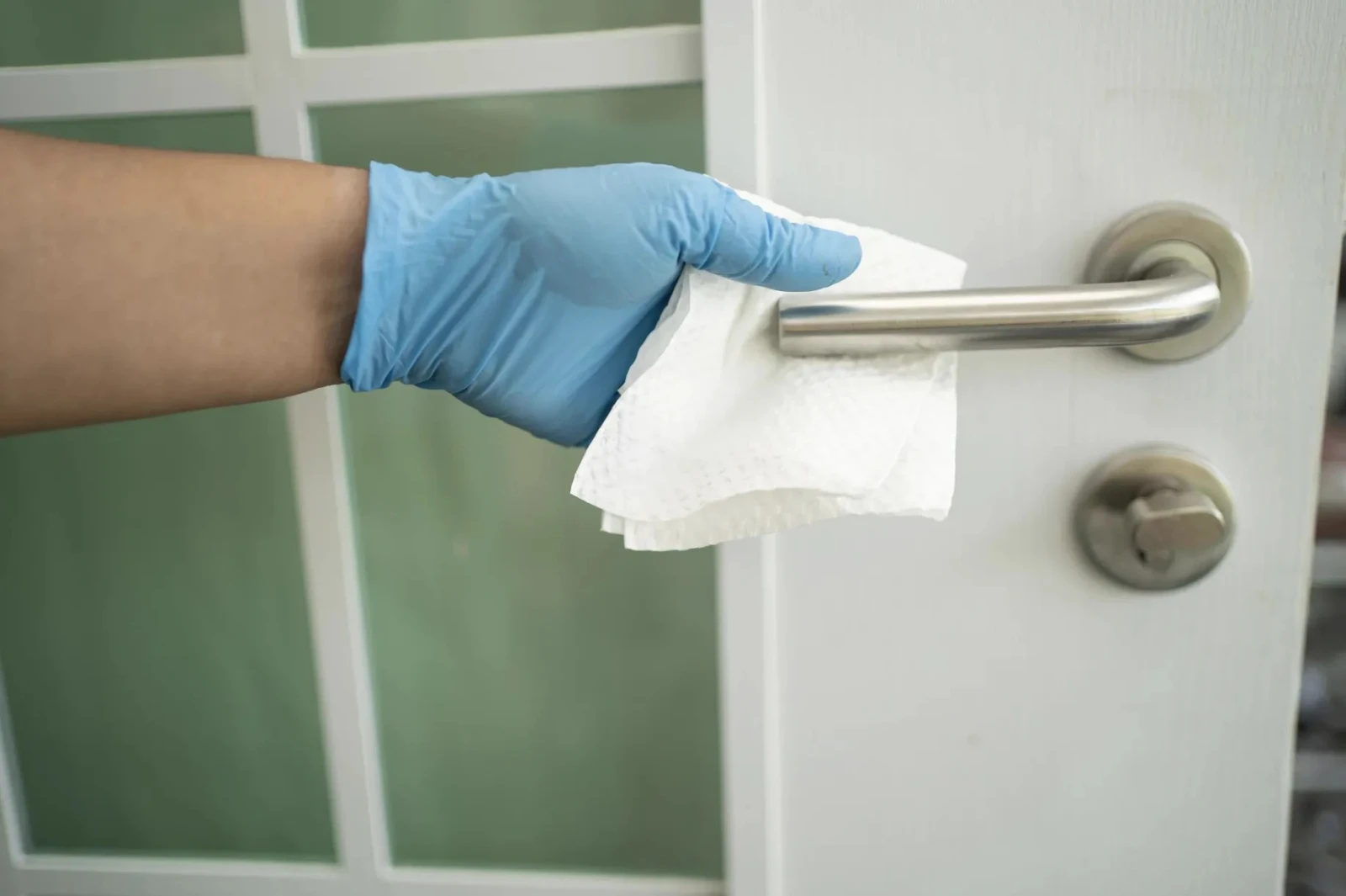
- ✓High-touch surfaces such as door handles, light switches and chair arms
- ✓Exam and treatment room surfaces, counters, sinks and floors, within your approved scope
- ✓General trash emptied and floors mopped
Weekly
- ✓Staff rooms and offices given a fuller clean
- ✓Glass and partitions wiped down
- ✓Spot-cleaning of walls near entrances
Monthly
- ✓Baseboards and vents
- ✓High dusting
- ✓Floor care beyond regular mopping
Daily Cleaning vs Three Times a Week
Daily cleaning makes sense when you see patients every day and traffic is high. Each room is reset before the next day begins, and nothing builds up.
Three visits a week can work for smaller practices with fewer patients or fewer open days. The trade-off is that some days start without a fresh clean, so your team may need to handle small touch-ups between visits.
If you're unsure, start with the higher frequency and review after a month. It's easier to scale back once you see how the space holds up than to recover from a schedule that was too thin.
When to Add Extra Cleaning
Some situations call for cleaning beyond your normal schedule:
- ✓A deep clean before reopening or after renovations
- ✓Added disinfection after an illness was reported in the office
These are booked as separate visits so your regular schedule stays the same.
What Stays Out of Routine Cleaning
Whatever your frequency, some things aren't part of routine cleaning. Regulated medical waste and sharps containers have to be collected by a licensed medical waste hauler. Biohazard spills are handled as a separate service. Patient records and computers aren't touched unless they're part of the agreed scope. For a full breakdown, see our guide on what medical office cleaning includes and what it doesn't.
Timing Matters as Much as Frequency
Cleaning a medical office while patients are in it is difficult and disruptive. Most practices schedule cleaning after hours or at weekends, when patient areas are empty. That lets the crew work properly through exam rooms and restrooms, and the office is ready when the first patient arrives.
Getting the Schedule in Writing
Once you've decided on frequency, put it in writing with your cleaning company. A written checklist should show:
- ✓Which areas are cleaned at every visit
- ✓Which tasks happen weekly or monthly
- ✓What's excluded from the scope
- ✓Which days and times the crew will come
This makes it easy to check the work and raise anything that's missed.
Frequency by Practice Type
Primary Care and Specialist Offices
High patient turnover in exam rooms and waiting areas usually calls for cleaning on every day patients are seen.
Dental Practices
Operatories turn over all day, and restrooms are used by every patient. After-hours cleaning on every clinic day works well. Our guide to dental office cleaning covers the details.
Physical Therapy Practices
Shared equipment areas and floors take heavy use. Floors and high-touch surfaces need attention at every visit.
Urgent Care Centers
Long hours and walk-in traffic usually mean daily cleaning at a minimum, with restrooms and waiting areas prioritized.
Signs Your Schedule Isn't Enough
- ✓Patients or staff comment on restrooms
- ✓Floors look dull or marked by midweek
- ✓Trash is overflowing before the next visit
- ✓Dust builds up on vents and ledges between deep cleans
Any of these suggests it's time to add visits or add tasks to the existing ones.
Medical Office Cleaning With EEB
EEB provides medical office and healthcare facility cleaning across NYC and Long Island, scheduled around your patient hours. We clean waiting rooms, reception, exam and treatment rooms, restrooms, staff rooms and offices, following your facility's approved scope. Surfaces are cleaned first, then treated with disinfecting products used according to their label directions, including contact time.
We clean after hours or at weekends, when patient areas are empty. Every crew member who works in healthcare spaces is background-checked and trained before the first visit, and the same team comes to your practice at every visit. Long Island practices get the same written checklist and after-hours scheduling as our clients in New York City.
We clean medical offices in all five NYC boroughs, and on Long Island in Nassau County, including Baldwin, Freeport, Hempstead and Levittown, and in Suffolk County, including Babylon and Deer Park. To set a cleaning schedule for your practice, contact EEB's medical office cleaning team.

Discussion & Comments (0)
Leave a Comment
No comments yet
Be the first to share your thoughts or ask a question!